
HOW TO FUND YOUR LIVING TRUST
Essential Steps for Asset Transfer



Learn the essential steps to properly fund your living trust by transferring assets. Discover which assets to include, avoid common mistakes, and ensure your trust works effectively.

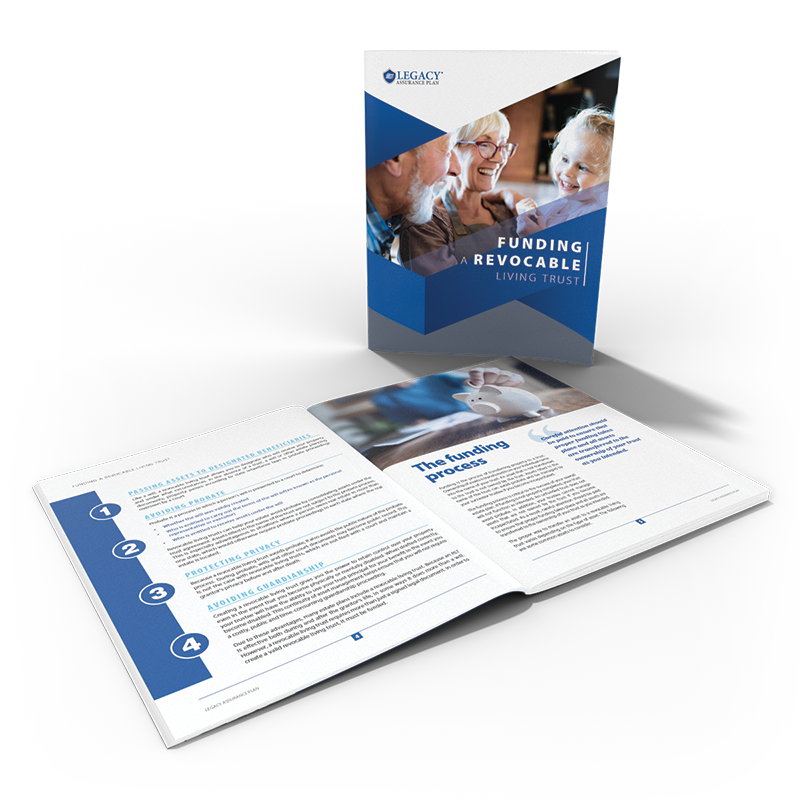
Creating a revocable living trust is only the first step in your estate planning journey. The critical next phase involves funding your living trust, which means transferring ownership of your assets from your individual name into the trust's name. Without proper funding, even the most carefully crafted trust document becomes essentially worthless.

Understanding Trust Funding Fundamentals
Funding a living trust requires legally transferring ownership of your assets to the trust. This process transforms you from the individual owner to the trustee managing assets on behalf of the trust. While this might sound complicated, the concept is straightforward: you're changing the legal title of your assets while maintaining complete control as the trustee.
Many people complete their trust documents but never follow through with the funding process. This oversight can render the entire estate planning strategy ineffective, potentially subjecting your estate to probate despite having established a trust.
Essential Assets to Transfer Into Your Trust
Your living trust should hold most of your significant assets to maximize its effectiveness. Understanding which assets belong in your trust helps ensure comprehensive estate planning coverage.
Primary Assets That Should Be Transferred:




- Real estate - Your primary residence, vacation homes, rental properties, and undeveloped land
- Financial accounts - Checking, savings, money market, and investment accounts
- Business interests - Partnerships, corporations, LLCs, and sole proprietorships
- Valuable personal property - Artwork, jewelry, collections, antiques, and expensive equipment
- Intellectual property - Patents, copyrights, royalties, and licensing agreements
Real estate typically represents the most important asset to transfer, as property going through probate can be particularly time-consuming and expensive for your beneficiaries. Financial accounts should also be retitled in the trust's name to ensure seamless management and distribution according to your wishes.
Business interests often benefit from trust ownership, though some business structures may require special consideration based on existing agreements. Personal property with significant value can be assigned to the trust through documentation, while everyday household items typically don't require formal transfer documents.
Step-by-Step Process for Different Asset Types

Real Estate Transfer Process
Transferring real estate into your living trust requires preparing and recording a new deed. The deed should show the transfer from you as an individual to you as trustee of your trust. This process involves several important considerations that ensure proper legal transfer.
Before transferring real estate, review your mortgage terms and notify your lender. Most modern mortgages include due-on-sale clauses, but transfers to revocable living trusts are typically exempt from triggering these provisions. Contact your county recorder's office to understand local filing requirements and fees for deed recording.
Financial Account Transfers
Banks and investment firms have established procedures for transferring accounts into trust ownership. The process varies by institution, but following these general steps will help streamline your transfers:

Account Transfer Steps:
- Contact each financial institution to request their specific trust account forms
- Provide a copy of your trust document or trust certification
- Complete all required internal paperwork and identity verification
- Update automatic payments and deposits to reflect the new account ownership
- Verify that all accounts show the trust as the proper legal owner
Some institutions may require a trust certification or abstract instead of the full trust document. This abbreviated version protects your privacy while providing necessary legal information for the account transfer.
Business Interest Considerations
Business transfers require careful analysis of existing agreements and corporate structures. Partnership agreements, corporate bylaws, and operating agreements may contain restrictions on ownership transfers that must be reviewed before proceeding. Some business structures may require unanimous consent from other owners, while others allow transfers with simple notification procedures.
Financial Account Transfers
Banks and investment firms have established procedures for transferring accounts into trust ownership. The process varies by institution, but following these general steps will help streamline your transfers:
Account Transfer Steps:
- Contact each financial institution to request their specific trust account forms
- Provide a copy of your trust document or trust certification
- Complete all required internal paperwork and identity verification
- Update automatic payments and deposits to reflect the new account ownership
- Verify that all accounts show the trust as the proper legal owner
Some institutions may require a trust certification or abstract instead of the full trust document. This abbreviated version protects your privacy while providing necessary legal information for the account transfer.
Business Interest Considerations
Business transfers require careful analysis of existing agreements and corporate structures. Partnership agreements, corporate bylaws, and operating agreements may contain restrictions on ownership transfers that must be reviewed before proceeding. Some business structures may require unanimous consent from other owners, while others allow transfers with simple notification procedures.
Common Funding Mistakes to Avoid
Understanding potential pitfalls helps ensure your trust funding process proceeds smoothly and effectively. These common errors can undermine your estate planning objectives if not properly addressed.

Critical Mistakes to Prevent:
- Partial funding - Leaving some assets in individual ownership, creating mixed estates that may still require probate
- Ignoring beneficiary designations - Failing to align retirement account and life insurance beneficiaries with your trust plan
- Forgetting new assets - Not transferring newly acquired property into the trust promptly
- Inadequate documentation - Poor record-keeping that confuses asset ownership for successor trustees
- Overlooking business restrictions - Transferring business interests without reviewing partnership or corporate agreements
One frequent error involves partially funding the trust, leaving some assets in individual ownership. This creates a mixed estate that may still require probate for unfunded assets. Maintain detailed records of which assets have been transferred to ensure complete funding.
Another common mistake is failing to update beneficiary designations on retirement accounts and life insurance policies. While these assets typically don't need trust ownership, beneficiary forms should align with your overall estate plan to prevent conflicts or unintended distributions.
Ongoing Trust Management After Funding
Once you've completed the funding process, maintain organized records of all trust assets. This documentation will prove invaluable for your successor trustee who will eventually manage the trust after your incapacity or death.
Consider establishing a pour-over will to catch any assets inadvertently left out of the trust. This backup document directs that any individually-owned assets at your death should be transferred into the trust, though this may still require probate for those specific assets.
Review your trust funding periodically, especially after acquiring new assets. Newly purchased real estate, opened financial accounts, or business interests should be promptly transferred into the trust to maintain comprehensive coverage.
Frequently Asked Questions About How To Fund Your Living Trust
Q: How long does it take to fund a living trust?
The timeline for funding varies depending on the number and complexity of your assets. Simple transfers like bank accounts may take 2-4 weeks, while real estate transfers can take 30-60 days due to deed preparation and recording requirements. Most people complete their entire funding process within 2-3 months with proper planning and organization.
Q: Do I lose control of my assets after transferring them to my trust?
No, you maintain complete control over trust assets as the trustee. You can buy, sell, refinance, or modify assets just as you did before the transfer. The trust ownership provides estate planning benefits without affecting your day-to-day management authority or decision-making power.
Q: What happens if I forget to transfer an asset to my trust?
Assets left in your individual name at death may need to go through probate, potentially reducing the effectiveness of your trust. However, a pour-over will can direct these assets into your trust, though this process may still involve some probate procedures for the unfunded assets.
Q: Should retirement accounts be transferred into my living trust?
Generally, no. Retirement accounts like 401(k)s and IRAs should typically remain in your individual name to preserve tax advantages. Instead, update the beneficiary designations to align with your trust and overall estate plan. Consult with your financial advisor about the best approach for your specific situation.
Q: Can I transfer my home if I still have a mortgage?
Yes, you can transfer mortgaged property into your living trust. Federal law protects transfers to revocable living trusts from triggering due-on-sale clauses in most mortgages. However, notify your lender about the transfer as a courtesy and to update their records properly.
Q: What if my bank refuses to recognize my trust?
Some financial institutions may initially hesitate to work with trusts due to internal policies or unfamiliarity. Provide them with a trust certification rather than the full document, and consider working with your attorney if resistance continues. Most banks will cooperate once they understand the legal requirements.