


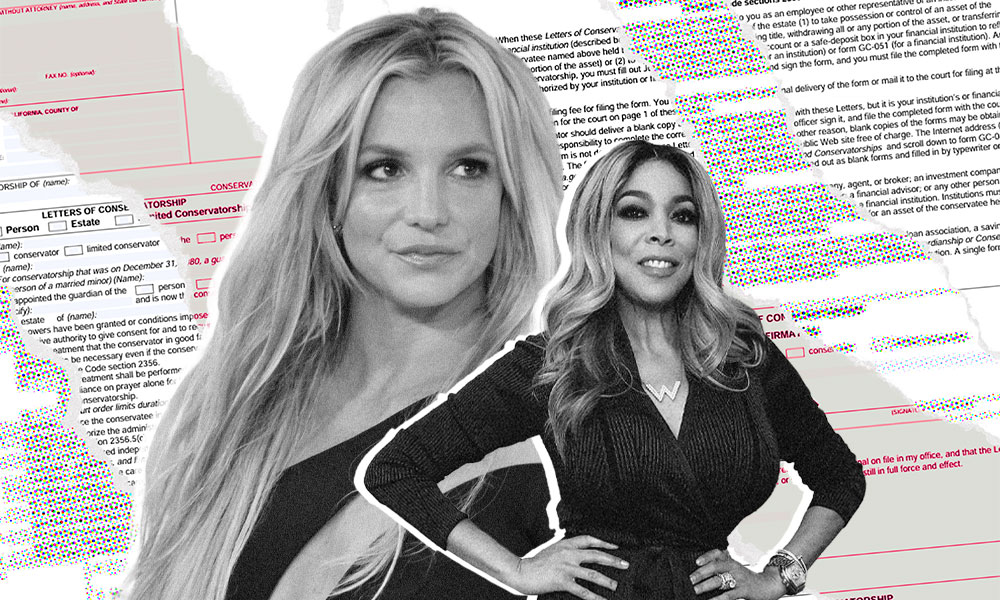
Guardianship systems in the United States, intended to protect vulnerable individuals unable to manage their personal or financial affairs, have long been plagued by systemic issues. Despite reform efforts, allegations of neglect, exploitation and inadequate oversight persist, as highlighted by ProPublica’s in-depth investigation into New York's guardianship system and high-profile cases involving Wendy Williams, Britney Spears and others. These problems underscore the importance of robust estate planning as a proactive solution to avoid the pitfalls of guardianship.
Why are guardianship horror stories becoming more common?
ProPublica’s investigation, published in 2024, uncovered systemic failures in New York's guardianship system that left vulnerable adults at risk of exploitation and neglect. The investigation, which examined hundreds of pages of court records and included dozens of interviews with lawyers and experts, reveals how even decades of reform efforts have failed to prevent widespread abuse.

The case of Judith Zbiegniewicz, documented extensively by ProPublica, illustrates these systemic failures and lack of oversight. Despite being under the care of a corporate guardian that collected $450 in monthly fees, Zbiegniewicz endured years of squalid living conditions, including pest infestations, lack of heat and structural problems in her residence. According to documents reviewed by ProPublica, her guardian continued collecting fees while her living conditions deteriorated. The investigation also revealed that in New York City, just over a dozen judges were assigned to oversee more than 17,400 guardianship cases, and 157 examiners were tasked with monitoring the thousands of cases.
Law school professor and former judge Kristin Booth Glen told ProPublica the oversight of guardianships has been "a total and utter disaster." She explained that keeping people out of guardianship in the first place is crucial because "once you're in it, it's the toilet you get flushed down."
Have celebrity guardianship cases led to reform?
The guardianship saga of former talk show host Wendy Williams brought renewed attention in 2025 to the systemic issues plaguing New York's guardianship system that were highlighted by ProPublica's reporting. The investigation’s findings of neglect, exploitation and inadequate oversight within the system echo concerns raised in Williams' high-profile case. In response to these revelations and public outcry, some New York legislators renewed efforts to reform the guardianship system and address issues such as oversight, overburdened courts and alternative solutions to full guardianship.
The conservatorship of pop star Britney Spears became a watershed moment for guardianship reform. For 13 years, from 2008 to 2021, Spears lived under a conservatorship controlled primarily by her father, Jamie Spears. The arrangement gave him broad authority over her fortune and many aspects of her personal life, including her medical care and when she could see her children. The #FreeBritney movement brought unprecedented public attention the potential for financial exploitation by family, the loss of fundamental rights and the difficulty of ending guardianships even when the protected person objects. Spears eventually settled a lawsuit filed against her estranged father in 2024.


What makes modern guardianship especially dangerous?

The dangers of today's guardianship system extend far beyond simple neglect. ProPublica's investigation identified several critical systemic failures:
- Inadequate training requirements. According to the investigation, while some states require nail technicians to complete hundreds of hours of training, guardians can begin managing vulnerable adults' entire lives after just one day of instruction.
- Profit-driven case acquisition. Many corporate guardians aggressively acquired new cases to maximize monthly fees while investing minimal resources in actual care. Former employees interviewed by ProPublica revealed that some companies outsourced critical care management to overseas workers.
- Ineffective court oversight. Court records showed that annual reviews can take years to complete and that court examiners focus primarily on financial paperwork, rarely conducting in-person visits to verify living conditions or care quality.
The systemic problems in guardianship extend far beyond New York. In Nevada, the case of April Parks illustrated how guardians can exploit the system for personal gain. Parks, a professional guardian, was sentenced to prison after being convicted of exploiting dozens of elderly and vulnerable clients. She used her court-appointed position to take control of their estates, sell their homes and belongings and charge excessive fees while isolating them from their families. The case led to significant reforms in Nevada's guardianship system, including requiring two people to be present when conducting inventories of property and strengthening oversight of guardians' fees.
The case of Marie Lang, an 88-year-old Florida woman, exemplifies the complexities of a guardianship that resulted from a family dispute over her home, retirement savings and health care needs. In 2018, Marie was declared incapacitated and placed under professional guardianship against her wishes, losing most of her rights amid accusations of financial mismanagement and undue influence between her feuding children. The guardianship case led to a highly publicized legal battle, including a lawsuit over property transfers and changes to Marie's IRA beneficiaries.
How can you protect yourself from guardianship abuse?
Legal experts and elder care advocates emphasize that creating a comprehensive estate plan provides the strongest defense against potential guardianship abuse. At the heart of this protection strategy are essential legal documents that work together to ensure your wishes are followed and your interests are protected.
A durable power of attorney forms the cornerstone of financial protection, allowing you to designate trusted agents to manage your money and property. This should be paired with a health care proxy that names specific individuals to make medical decisions on your behalf if you become incapacitated. A living will provides crucial guidance about your end-of-life care preferences, while a HIPAA authorization ensures your chosen representatives can access your medical information when needed.
Many experts also recommend establishing a living trust to create a framework for long-term asset management and protection.
Beyond these fundamental documents, an effective estate plan should include detailed specifications for your care. This means clearly documenting your preferences for living arrangements, medical care, and daily activities. Establishing multiple layers of oversight helps prevent any single person from having unchecked control over your affairs. Your plan should specify exactly how you want to live, including preferred locations, type of housing, and essential quality-of-life requirements.
How does a revocable living trust help prevent guardianship?
A revocable living trust can serve as one of the most effective tools for avoiding guardianship by creating a private system for managing your assets and care if you become incapacitated. Here's how it works: When you create a living trust, you transfer your assets into the trust and name yourself as the initial trustee. You then designate a successor trustee – someone you trust completely – to take over management if you become unable to handle your affairs.
The key advantage is that this transition of control happens automatically, based on criteria you specify in the trust document, without any need for court intervention. For example, you might specify that if two doctors certify you can no longer manage your affairs, your chosen successor trustee immediately gains authority to manage the trust assets. This private transition helps avoid the need for a court-appointed guardian to manage your property.
A well-designed living trust can be remarkably comprehensive in its protections. You can include detailed instructions for how your assets should be used for your care, specify what standard of living should be maintained, and even outline specific preferences for your daily life and activities. The trust can also include provisions for regular accounting and oversight, ensuring your successor trustee remains accountable.
An often-overlooked benefit is that a living trust can help prevent family conflicts that might otherwise lead to guardianship proceedings. By clearly documenting your wishes and creating a structured system for managing your affairs, you reduce the likelihood of disagreements that could prompt relatives to seek court intervention.
Many people don't realize that a living trust can work in conjunction with other estate planning tools to create multiple layers of protection. For instance, while your successor trustee manages assets in the trust, your health care proxy can make medical decisions, and your power of attorney can handle any assets outside the trust. This coordinated approach creates a comprehensive alternative to guardianship.
However, it's crucial to understand that a living trust only protects assets actually transferred into it. Simply creating the trust isn't enough – you need to properly "fund" it by retitling assets in the trust's name. Many guardianship cases occur because people created trusts but failed to transfer their assets into them, leaving those assets vulnerable to court control if they become incapacitated.
Conclusion
The persistent problems within America's guardianship systems highlight both systemic failures and opportunities for improvement. ProPublica's investigation into New York's system underscores how vulnerable individuals can suffer neglect and exploitation despite existing safeguards. However, proactive estate planning offers a powerful way for individuals to protect themselves from these risks.
By establishing powers of attorney, creating trusts and clearly communicating their wishes, Americans can maintain control over their personal and financial affairs even in the face of incapacity. A well-designed revocable living trust, in particular, can serve as a robust alternative to court-appointed guardianship by providing a private, flexible framework for asset management and care decisions.
While individual planning is crucial, continued advocacy for systemic reform remains essential. As high-profile cases like those of Wendy Williams and Britney Spears have shown, even celebrity status doesn't guarantee protection from guardianship abuse. These cases have sparked calls for reform, the need for improved oversight, better training for guardians and less restrictive alternatives to full guardianship.