


ESTATE PLANNING
Why Estate Planning is Beneficial



Estate planning benefits extend beyond asset distribution to include protection, timing, and peace of mind for you and your beneficiaries.

Why Estate Planning is Beneficial
Estate planning represents one of the most important decisions you'll make in your lifetime. The benefits of estate planning extend far beyond simple asset distribution, encompassing protection, timing, and peace of mind for both you and your beneficiaries. Understanding why estate planning matters can help you make informed decisions about your family's financial future.

The Critical Importance of Inheritance Timing
When you engage in estate planning, you gain control over when and how your beneficiaries receive their inheritance. This timing element matters for several reasons. Young beneficiaries may not possess the financial maturity to handle large sums responsibly, while others might be going through challenging life circumstances that could affect their judgment.
Smart estate planning lets you tie distributions to meaningful milestones: reaching a certain age, graduating college, or demonstrating financial responsibility. Instead of handing over a lump sum that might disappear overnight, you can create a framework that truly supports your family's long-term success.
Avoiding the Pitfalls of Intestate Succession
One of the most significant benefits of estate planning involves avoiding intestate succession laws. When someone dies without a valid will or estate plan, state laws determine how assets are distributed. These laws rarely align with your personal wishes or your family's specific needs.
Intestate succession typically follows rigid formulas that may leave assets to distant relatives you barely know while excluding close friends or charitable causes important to you. The process also creates unnecessary delays, legal complications, and potential family conflicts that estate planning can prevent entirely.
Asset Protection Through Strategic Planning
Estate planning goes beyond basic asset distribution to include sophisticated protection strategies. Through proper estate planning, you can shield your assets from potential creditors, lawsuits, and other financial threats that could diminish your legacy.
Effective estate planning employs multiple layers of protection to safeguard your wealth. Key protective strategies include:
- Revocable Living Trusts - Provide privacy and avoid probate while maintaining control during your lifetime
- Asset Protection Trusts - Shield assets from creditors and legal judgments
- Business Entity Structures - Protect business assets through LLCs or family limited partnerships
These protective measures ensure that the assets you've worked hard to accumulate remain available for your intended beneficiaries rather than being lost to unforeseen circumstances.

The Consequences of Delayed Planning
Many people postpone estate planning, believing they have plenty of time to address these matters later. However, the benefits of estate planning are most effective when implemented early and reviewed regularly. Delayed planning often results in rushed decisions, limited options, and increased costs.
Consider the emotional burden on your family members who must make difficult decisions during an already stressful time. Without estate planning in place, they may face court proceedings, family disputes, and financial uncertainty when they should be focusing on healing and moving forward.
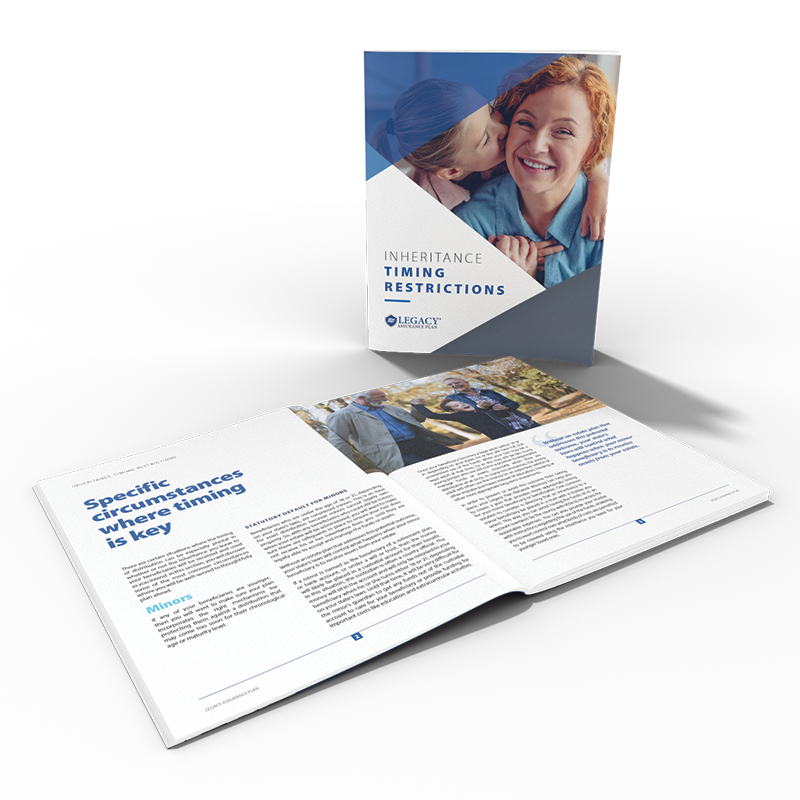
Proactive Planning vs. Crisis-Driven Decisions
The difference between proactive estate planning and crisis-driven decisions can fundamentally impact your family's future security and well-being. While many people delay estate planning until a health crisis or family emergency forces their hand, this reactive approach often leads to rushed decisions, limited options, and increased stress during already difficult times.
Proactive estate planning allows you to carefully consider your options, research solutions, and make informed decisions while you have the mental capacity and time to do so properly. This approach gives you control over your legacy and ensures your wishes are documented clearly before any crisis occurs.

Long-Term Care Considerations in Estate Planning
Long-term care needs represent one of the most significant financial risks facing families today, yet many estate plans fail to address these potential costs adequately. The average cost of long-term care can quickly deplete savings that families intended to preserve for their heirs, making proactive planning essential for protecting your legacy. Strategic long-term care planning involves understanding Medicaid qualification requirements, exploring long-term care insurance options, and structuring assets to preserve wealth while ensuring access to quality care. Some families benefit from irrevocable trusts designed specifically to protect assets from long-term care costs, while others may find that veterans' benefits or other programs provide additional protection The key is addressing these considerations before they become urgent needs. Crisis-driven long-term care planning often results in limited options and may require spending down assets that could have been preserved through earlier planning.

Planning for Incapacity Before It Happens
One of the most critical aspects of proactive estate planning involves preparing for potential incapacity. Unlike death, which is a definitive event, incapacity can occur gradually or suddenly, creating unique challenges for families who haven't planned ahead. Without proper documentation in place, family members may face lengthy and expensive court proceedings to gain the authority to make decisions on your behalf. Essential incapacity planning documents include durable powers of attorney for financial matters, health care directives, and living wills that specify your preferences for medical treatment. These documents ensure your trusted family members or friends can step in immediately when needed, without court intervention or family disputes about who should make decisions.
Long-Term Benefits for Future Generations
Effective estate planning creates benefits that extend across multiple generations. Through strategic planning, you can establish educational funds, provide for future grandchildren, and create lasting legacies that reflect your values and priorities.
These long-term benefits of estate planning include tax efficiency, wealth preservation, and the ability to support causes important to your family. estate planning ensures your impact continues long after you're gone, creating positive change in the lives of people you care about most

Frequently Asked Questions About Estate Planning
Q: What is the ideal age to start estate planning?
Estate planning should begin as soon as you reach legal adulthood and acquire assets or dependents. Young adults with children, property, or significant income should prioritize basic estate planning documents. The earlier you start, the more time you have to refine and optimize your strategy.
Q: How often should I review my estate plan?
Review your estate plan every three to five years, or whenever major life events occur. Marriage, divorce, births, deaths, significant changes in assets, or relocations to different states all warrant immediate plan updates to ensure continued effectiveness.
Q: What happens if my beneficiaries aren't ready for an inheritance?
This is exactly why estate planning timing matters. You can structure trusts with age-based distributions, educational milestones, or other criteria. Consider gradual distributions at ages 25, 30, and 35, or tie distributions to life achievements like college graduation or career stability.
Q: What's the difference between a will and a trust in estate planning?
A will is a legal document that directs asset distribution after death but requires probate court supervision. Trusts offer more control over timing and conditions of distributions, avoid probate, and can provide ongoing management of assets. Many comprehensive estate plans utilize both documents.
Q: Can I change my estate plan after it's created?
Absolutely. Estate plans should be living documents that evolve with your circumstances. You can modify beneficiaries, update asset protection strategies, and adjust distribution timing as your family situation and financial goals change over time.
Q: Are there tax benefits to estate planning?
Yes, proper estate planning can significantly reduce estate taxes, gift taxes, and generation-skipping transfer taxes. Strategies like annual gifting, charitable giving, and trust structures can help minimize tax burdens while maximizing the wealth transferred to your beneficiaries.sses your unique needs and circumstances.
Your family's future security depends on the estate planning decisions you make today. By understanding and acting on these benefits, you ensure that your legacy serves its intended purpose of protecting and providing for the people you love most.