


Key Takeaways
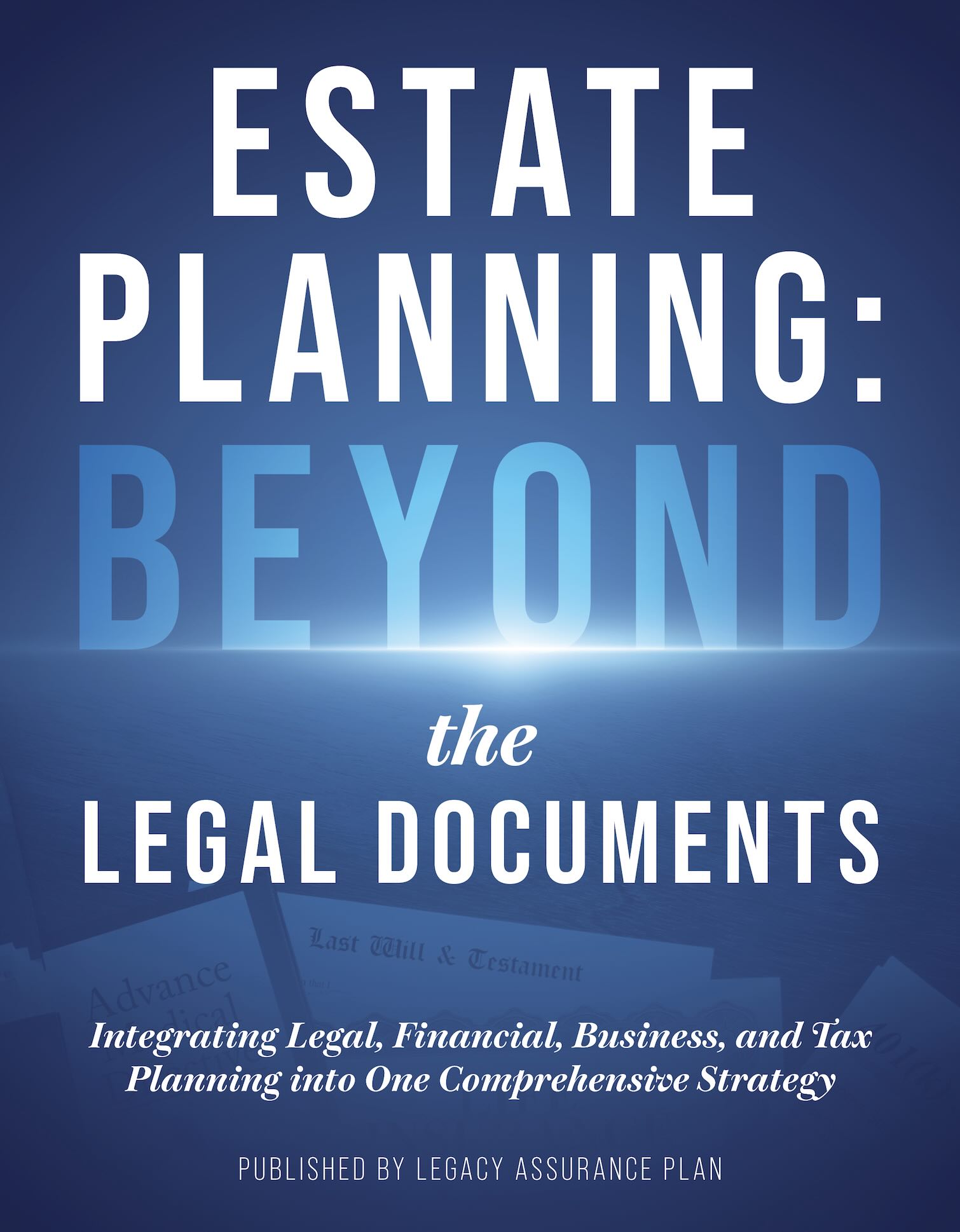
- 455-page comprehensive estate planning reference covering wills, trusts, probate, tax planning, business succession, Medicaid, and more
- Uses the Five-Lens Framework — legal, assets, tax, risk, and business — to examine every estate planning decision from five perspectives
- Written by two attorneys (J.D., LL.M. and J.D., CFRE) with contributions from a CLU/CFS estate planning professional and a FINRA-registered investment adviser
- Includes 11 practical appendices: state-by-state tax references, trust comparison matrices, settlement checklists, and planning organizers
- Designed for both consumers preparing for attorney conversations and professionals seeking a comprehensive desk reference
The Five-Lens Framework
Most estate plans fail not because of bad intentions, but because no one connected the pieces. Legacy Assurance Plan was built to close that gap — coordinating legal documents, financial accounts, beneficiary designations, and insurance products into a single, functioning plan. This book explains that comprehensive approach through five distinct lenses.
Legal Lens
Proper documents in place, drafted by experienced attorneys who understand the full range of options.
Assets Lens
Coordinating legal documents with financial accounts, beneficiary designations, and trust funding.
Tax Lens
Estate taxes, income taxes, capital gains — addressing tax implications at every level.
Risk Lens
Long-term care costs, market volatility, lawsuits — threats to assets and well-being.
Business Lens
Succession planning, business continuity, and avoiding disruption from probate.
What's Inside
25 chapters organized across 8 parts — from foundational documents to advanced tax, business, and retirement planning strategies.
Part 1: Estate Planning Fundamentals
Why planning matters, the legal profession's role, common approaches, and the planning process.
Part 2: Estate Planning Documents
Last will and testament, powers of attorney, and revocable living trusts — what each does and why you need them.
Part 3: Probate and Probate Avoidance
Understanding probate, living probate and guardianship, and strategies for avoiding both.
Part 4: Special Planning Situations
Life circumstances, special needs beneficiaries, Medicaid planning, digital assets, and irrevocable trusts.
Part 5: Tax Planning
Estate, gift, and inheritance taxes. Charitable giving strategies and tax benefits.
Part 6: Business Planning
Business entities, asset protection, integrating business interests, family business and farm succession.
Part 7: Final Plans and Estate Settlement
End-of-life planning and the step-by-step estate administration process.
Part 8: Financial and Retirement Planning
Financial planning integration, Social Security strategies, and retirement income coordination.
11 Appendices — Practical Tools You'll Actually Use
Reference materials designed to be used alongside the book and in conversations with your attorney.
About the Contributors
Written, reviewed, and edited by credentialed professionals with combined decades of experience in estate planning, law, financial services, and journalism.
Related Articles from Legacy Assurance Plan
Explore these top-rated articles reviewed by our team — each one covers a topic from the book.
- Protect Your Assets With a Special Needs Trust While Remaining Eligible for MedicaidSpecial Needs Planning — Book Part 4
- Several Ways You Can Keep Assets Out of the Tedious Probate ProcessProbate Avoidance — Book Part 3
- Prevent Elder Financial Abuse With Estate PlanningRisk Management — Book Part 4
- Charitable Estate Planning: Leaving a Legacy Can Deliver Financial BenefitsTax Planning — Book Part 5
- Legacy Trusts: Generational Estate Planning but With a CostTrusts — Book Part 2
- Why Is Estate Planning for Your Digital Assets So Important?Digital Assets — Book Part 4
- Per Stirpes vs Per CapitaBeneficiary Designations — Book Part 2
- An Irrevocable Trust Is an Implement to Keep the Farm in the FamilyFarm Planning — Book Part 6
- Protecting Your Business Interests Should Be an Estate Planning PriorityBusiness Planning — Book Part 6
- High-Profile Conservatorships: Legal Landscapes EvolvingGuardianship — Book Part 3
Frequently Asked Questions
What makes this estate planning book different from others?
This book uses the Five-Lens Framework — examining every decision through five perspectives: legal, assets, tax, risk, and business. Most books cover only one lens. This one integrates all five into one comprehensive strategy, published by Legacy Assurance Plan with contributions from attorneys, a FINRA-registered investment adviser, and a CLU/CFS estate planning professional.
Who is this book for?
Families and individuals who want to understand estate planning comprehensively — not just the documents, but how those documents coordinate with financial accounts, tax strategies, business interests, and risk management. Also valuable as a desk reference for financial advisors, insurance professionals, and attorneys.
What are the 11 appendices?
Practical tools: Estate Planning Action Checklist, Personal Organizer, State-by-State Tax Reference, Federal Tax Reference, Trust Comparison Matrix, Settlement Checklist, POA Quick Reference, Will vs. Trust Comparison, Joint vs. Separate Trusts, LLC vs. Corporation, and Additional Comparisons. Designed to be used, not just read.
Does this book replace an attorney?
No. This book prepares you for the conversation with a qualified attorney — so the time and money you spend with a professional is focused, productive, and aligned with what your family actually needs. It covers the knowledge; your attorney applies it to your specific situation.
How is Legacy Assurance Plan different from traditional estate planning?
Legacy Assurance Plan is a membership-based organization. Estate planning should be an ongoing relationship, not a transaction. Members receive access to vetted attorneys, comprehensive document preparation, professional coordination, trust funding assistance, ongoing plan reviews, and estate settlement support.
What is the Five-Lens Framework in estate planning?
The Five-Lens Framework examines every estate planning decision through five perspectives: the legal lens (proper documents), the assets lens (coordinating financial accounts with legal documents), the tax lens (estate, gift, and income tax minimization), the risk lens (long-term care costs and asset protection), and the business lens (succession planning and business continuity). Most estate planning resources address only the legal lens. This framework integrates all five into one coordinated strategy.
Does the book cover Medicaid planning and long-term care?
Yes. Chapter 13 covers Medicaid planning in depth, including eligibility rules, the lookback period, Medicaid Asset Protection Trusts (MAPTs), spousal protections, and strategies for preserving assets while qualifying for benefits. The book also addresses long-term care insurance, Veterans benefits, and how these programs interact with the rest of the estate plan.
Is there a section on business succession and farm planning?
Yes. Part 6 (Chapters 18-21) covers business entities and asset protection, integrating business interests into estate plans, family business succession, and farm and ranch succession planning. It addresses operating agreements, buy-sell agreements, S-Corp eligibility, valuation discounts, and the unique challenges of passing agricultural operations to the next generation.